Introduction
Indian cuisine is known for its unique balance of flavors – sweet, sour, spicy, and bitter – all coming together in harmony. Among the many traditional preserves that showcase this balance, Imli Murabba, also known as Tamarind Murabba, holds a special place. Prepared from fresh tamarind pulp cooked slowly in sugar syrup and flavored with aromatic spices, imli murabba is loved for its irresistible sweet-and-sour taste and its remarkable health benefits.
For centuries, murabba has been prepared in Indian households as a natural way to preserve seasonal fruits and enjoy their goodness throughout the year. Tamarind, with its rich tangy flavor and medicinal properties, is an excellent fruit for making murabba. This delicious preserve not only satisfies the taste buds but also acts as a digestive tonic, immunity booster, and natural energy provider.
In this comprehensive guide, we will explore everything about imli murabba – its history, preparation method, nutritional value, health benefits, ways to consume it, storage tips, and why it continues to remain a favorite in traditional Indian kitchens.
What is Imli Murabba?
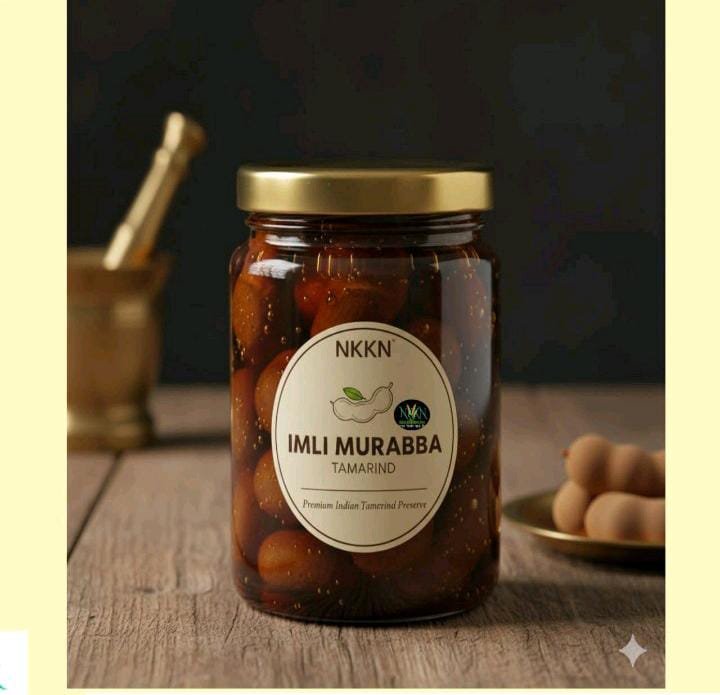
Imli murabba is a traditional Indian sweet preserve made from tamarind pulp that is cooked with sugar until it thickens into a rich, glossy syrup. Sometimes whole tamarind pods or thick pulp chunks are used, depending on regional variations. Natural spices such as cardamom, cloves, cinnamon, or ginger may be added to enhance aroma and flavor.
Unlike other murabbas made from firm fruits like amla, mango, or papaya, imli murabba has a soft, jam-like texture with a perfect balance of sweetness and tanginess. Its refreshing taste makes it a popular accompaniment with meals, a topping for desserts, or simply a spoonful enjoyed on its own.
History and Cultural Importance
The tradition of making murabba dates back to ancient India and Persia, where fruits were preserved in honey or sugar syrup to extend their shelf life and enhance their medicinal value. Over time, murabba became an essential part of Indian culinary heritage, especially in royal kitchens and Ayurvedic households.
Tamarind has been used in Indian cooking and medicine for thousands of years. It is mentioned in ancient Ayurvedic texts as a cooling, digestive, and detoxifying fruit. Imli murabba was traditionally prepared during tamarind season and stored for year-round use as a digestive aid and flavor enhancer.
In many regions of India, imli murabba is served after meals to aid digestion or offered to guests as a symbol of hospitality and warmth.
Why Tamarind is Ideal for Murabba
Tamarind is one of the most versatile fruits in Indian cuisine. Its naturally sour taste pairs beautifully with sugar, creating a unique sweet-and-tangy profile that is both refreshing and comforting.
Some reasons why tamarind is perfect for murabba include:
- Naturally rich in organic acids that stimulate digestion
- High pectin content that helps thicken the syrup naturally
- Long shelf life when preserved in sugar
- Strong flavor that remains stable even after cooking
When turned into murabba, tamarind retains its medicinal properties while becoming more enjoyable and easy to consume.
Health Benefits of Imli Murabba
One of the main reasons imli murabba is so popular is its wide range of health benefits. Tamarind is a treasure trove of nutrients, antioxidants, and natural compounds that support overall well-being.
1. Improves Digestion
Tamarind is well known for its digestive properties. It stimulates the production of digestive juices and bile, helping the body break down food more efficiently. Regular consumption of imli murabba can:
- Relieve constipation and bloating
- Reduce acidity and indigestion
- Improve appetite and gut health
2. Natural Detoxifier
Imli has natural detoxifying properties that help cleanse the liver and remove toxins from the body. It supports liver function and improves metabolism.

3. Boosts Immunity
Rich in vitamin C and antioxidants, tamarind strengthens the immune system and helps the body fight infections. Regular intake can reduce the frequency of colds, coughs, and seasonal illnesses.
4. Supports Heart Health
Tamarind contains potassium, magnesium, and dietary fiber, which help regulate blood pressure and reduce bad cholesterol levels. This contributes to better heart health and lowers the risk of cardiovascular diseases.
5. Controls Blood Sugar Levels
Tamarind has been traditionally used to help regulate blood sugar levels. Although murabba contains sugar, when consumed in moderation, it may help improve insulin sensitivity and prevent sudden sugar spikes.
6. Anti-Inflammatory Properties
The polyphenols and flavonoids present in tamarind have anti-inflammatory effects, making imli murabba helpful in reducing joint pain, muscle soreness, and inflammation-related discomfort.
7. Improves Skin and Hair Health
Tamarind is rich in antioxidants and alpha-hydroxy acids that promote healthy skin. Regular consumption helps:
- Improve skin glow
- Reduce pigmentation and acne
- Strengthen hair roots and prevent hair fall
8. Natural Energy Booster
The natural sugars and minerals in imli murabba provide quick energy and help fight fatigue, making it an excellent tonic for weakness and low stamina.
Nutritional Value of Imli Murabba
Imli murabba is packed with essential nutrients that support overall health. A typical serving contains:
- Carbohydrates for instant energy
- Dietary fiber for digestion
- Vitamin C for immunity
- Potassium and magnesium for heart and muscle health
- Antioxidants for cellular protection
Although it is sweet, it remains a healthier alternative to artificial desserts when consumed in moderation.
Traditional Method of Making Imli Murabba
The preparation of imli murabba follows a slow and careful process to preserve both flavor and nutrition.
Step 1: Selection of Tamarind
Fresh, ripe tamarind pods are selected and cleaned thoroughly to remove dust and impurities.
Step 2: Extraction of Pulp
The tamarind is soaked in warm water and gently mashed to extract thick, smooth pulp. Seeds and fibers are removed.
Step 3: Cooking the Pulp
The pulp is cooked on low flame until it thickens slightly and releases a rich aroma.
Step 4: Adding Sugar
Pure sugar is added gradually and stirred continuously until it dissolves completely and forms a glossy syrup.
Step 5: Flavoring
Natural spices such as cardamom, cloves, cinnamon, ginger, or rose essence are added to enhance taste and aroma.
Step 6: Final Thickening and Cooling
The mixture is cooked until it reaches the desired consistency, then cooled and stored in airtight containers.
Taste and Texture Profile
Imli murabba is known for its:
- Perfect balance of sweetness and tanginess
- Thick, jam-like texture
- Deep brown glossy color
- Refreshing aftertaste
It awakens the taste buds and leaves a pleasant flavor lingering in the mouth.
Ways to Enjoy Imli Murabba
Imli murabba is extremely versatile and can be enjoyed in many ways:
- Eat a spoonful after meals as a digestive
- Spread on bread, toast, or chapati
- Mix with warm water to make a refreshing drink
- Use as a topping for desserts or ice cream
- Serve as a side with snacks like samosas, pakoras, or chaat
Who Should Consume Imli Murabba?
Imli murabba is suitable for:
- People with weak digestion
- Those suffering from constipation or acidity
- Elderly individuals for better metabolism
- Children for immunity and energy
- Anyone looking for a natural digestive tonic
People with diabetes should consume it carefully due to sugar content and consult a doctor if necessary.
Storage and Shelf Life
To keep imli murabba fresh:
- Store in a cool, dry place
- Keep the jar tightly closed
- Always use a clean, dry spoon
When stored properly, imli murabba can last for several months without losing flavor or quality.
Imli Murabba in Ayurveda
In Ayurveda, tamarind is considered amla rasa (sour taste) and is known to stimulate digestion, balance doshas, and cleanse the body. Imli murabba is used as a gentle laxative, appetite enhancer, and rejuvenating tonic.
Frequently Asked Questions (FAQs)
Is imli murabba good for constipation?
Yes, it helps improve bowel movement and relieves constipation naturally.
Can imli murabba be eaten daily?
Yes, in moderate quantity, it can be consumed daily for digestive and immunity benefits.
Is it safe for children?
Yes, children can consume it in small amounts for taste and nutrition.
Does imli murabba help in weight loss?
It improves digestion and metabolism, which indirectly supports healthy weight management.
Conclusion
Imli murabba is a perfect example of how traditional Indian recipes combine taste and health in the most delightful way. With its sweet-and-sour flavor, rich aroma, and powerful medicinal properties, this preserve has earned a permanent place in Indian kitchens.
Whether enjoyed as a digestive after meals, a refreshing snack, or a flavorful ingredient in recipes, imli murabba offers both satisfaction and wellness. Add this timeless delicacy to your daily routine and experience the natural goodness of tamarind in every spoonful.